Selling a commercial property anywhere demands careful preparation. In Grey County, it also demands local knowledge that respects how this market actually works. Industrial space in Owen Sound does not behave like a storefront in Thornbury. A purpose-built storage yard on Highway 6 will not price the way a brick main street building in Hanover does. Before you test the market, a professional commercial property appraisal gives you an anchored read on value, a set of defensible assumptions, and a roadmap to address issues that otherwise surface during due diligence at the worst possible moment.
This is not about chasing the highest number. It is about understanding how qualified buyers and lenders will view your asset in the current environment, then using that insight to shape strategy. The right appraisal, prepared by a credentialed commercial appraiser who knows Grey County, often pays for itself in avoided renegotiations and faster closings.
What a commercial appraisal really tells you
A credible commercial real estate appraisal does three things at once. First, it translates bricks, land, leases, and location into a market-supported value opinion. Second, it documents the reasoning behind that opinion so a buyer, their lender, and their lawyer can follow it. Third, it highlights the levers that matter most for price and terms, which is what you need to negotiate with confidence.
In practice, this means more than a number on the last page. A well-prepared report shows how the subject fits against comparable sales, replacement cost, and income performance. It reconciles those approaches according to the type of property. A single-tenant industrial building with a fresh five-year lease might lean on the income approach. A vacant owner-occupied light industrial condo unit will rely more on sales comparison and cost. A hotel or a gas station with a strong convenience component introduces a going concern element. That is a different analysis than a simple rent multiple.
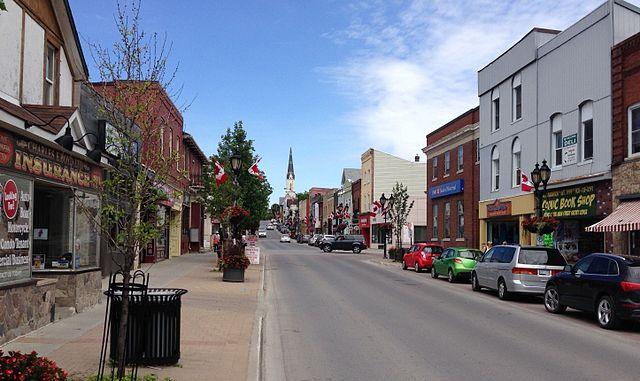
The value you can defend is also the value you are most likely to close at. That is the point of scheduling a commercial property appraisal in Grey County before you list.
The Grey County context that influences value
Grey County sits at a junction of agriculture, tourism, manufacturing, logistics, and small-town service economies. This mix matters more than people think.

- Owen Sound remains the largest urban hub, with demand for light industrial, service commercial, and small office. Tenants are often regional service firms, trades, and health practitioners. Buyers here analyze parking, loading, and proximity to arterial routes like Highway 6 and 10. Meaford and The Blue Mountains have strong ties to seasonal tourism and residential growth spilling from Georgian Bay communities. Street retail and mixed use can perform well in pedestrian corridors, but seasonality affects cash flows. Buyers discount for winter shoulder months. Hanover, Durham, and Markdale track with manufacturing and agri-service demand. Buildings with functional power supply, ceiling height, and easy truck movement find steady interest. Cheaper land and operating costs help, but smaller tenant pools lengthen re-leasing assumptions. Rural assets along Highway 6, 10, and 26 appeal to contractors, storage users, and logistics-light operations. Function beats finishes in these submarkets. Clear yard access, outside storage permissions, and environmental comfort often make or break a deal.
If you have owned and operated locally for years, you feel these patterns in your day-to-day. A commercial appraiser in Grey County formalizes them into evidence that buyers and lenders accept.
Sales comparison, income, and cost - where each fits
The three standard approaches remain the backbone of any commercial appraisal services in Grey County, and the weight given to each reflects the asset and its marketability.
Sales comparison draws from closed transactions. In Grey County, you will seldom find a dozen perfect comps within a ten-minute radius. Expect a broader net, sometimes pulling from neighboring counties for similar construction types or lease terms. Adjustments reflect differences in location, size, age, condition, and, critically, whether the property was vacant or income producing at sale. When owners are surprised by an adjustment that looks large, it is often because a seemingly minor attribute, like extra land with development potential, drives value more than the building itself.
The income approach values the property as an investment. Appraisers will normalize rents to market, adjust for vacancy and credit loss, and account for operating expenses. Cap rates in secondary and tertiary Ontario markets tend to be higher than in GTA-adjacent towns, reflecting thinner buyer pools and slower lease-up assumptions. For small-bay industrial in Grey County, experienced investors often underwrite with double-digit lease-up months and protective expense reserves. If your leases are short or below market, the appraiser will assess renewal probabilities and likely mark-to-market timing. Expect the income approach to dominate for multi-tenant assets and single-tenant buildings on strong paper.
The cost approach sets a ceiling by estimating replacement cost new less depreciation, plus land value. This is useful for newer buildings with limited comparable sales and for insurance discussions. In rural Grey County, the cost approach also helps separate contributory building value from excess land. It tends to carry less weight for older assets where functional obsolescence, mixed improvements, and unclear utility lower the precision of cost-based conclusions.
A disciplined reconciliation section ties these approaches together. If the appraiser is spending time explaining why the income approach received primary weight for your tenanted property, that is a sign of a report prepared for scrutiny.
What owners should assemble before the appraisal
The quiet work you do before the site visit will sharpen the final opinion and reduce back-and-forth.
- Current rent roll, leases, and any amendments, including options and escalation schedules The last three years of operating statements, with utilities, maintenance, taxes, and insurance broken out A list of capital improvements with dates and costs, plus any warranties that transfer Survey, site plan, and floor plans if available, along with zoning or minor variance approvals Any environmental or building condition reports, even older ones, and notes on known issues
If you use outside storage, have outdoor retail displays, or operate with special permissions, share the history and the paperwork. Several Grey County municipalities strictly enforce outdoor use limits, and an appraiser will factor this into value because buyers, and their lawyers, will as well.
MPAC versus market value
Owners sometimes reference their MPAC assessed value during sale planning. Assessment informs property tax, not what a buyer will pay. MPAC pursues mass appraisal methods aimed at equity across a tax base, not a transaction set for a specific asset. A commercial real estate appraisal in Grey County is a different product, using property-specific data and market evidence gathered for this purpose. Lending and negotiation turn on the latter, not the former.
Zoning and conservation realities
Grey County is governed by local municipal zoning by-laws and the Grey County Official Plan. On top of that, conservation authorities such as Grey Sauble and Saugeen Valley have their own regulations regarding hazard lands, wetlands, and setbacks. These layers are not academic. They determine what a buyer can do with extra yard, whether adding a bay is possible, or if a septic upgrade is feasible. If your property sits near a watercourse or in a known floodplain, an appraiser will reflect that in risk and utility. Restrictive overlays can cap upside and therefore cap investor pricing.
For mixed https://privatebin.net/?13ab6564408b4b8b#EbAwi4cPQjogJKRU5cRu6bVsNs2Xy8yo1oTEReQi3zzJ use in towns like Meaford, Markdale, or Flesherton, verify whether upper-storey residential is legal non-conforming or permitted today. Buyers pay more when permitted use is clear, particularly if they plan to invest in renovations or add units.
Environmental due diligence is price diligence
Phase I environmental site assessments surface in almost every commercial transaction involving lenders. In rural Grey County, historical uses that trigger questions include automotive service, dry cleaning equipment, fuel storage, abattoirs, and farm chemical handling. Even a contractor’s yard with long-standing equipment storage may raise flags. A commercial appraiser will not perform a Phase I, but they will adjust value if risk, stigma, or remediation costs are likely.
If you have an older ESA with a clean bill, provide it. If you know an underground tank was removed, produce the closure documentation. The worst outcome is an appraisal that assumes clean title, followed by a Phase I that drives a retrade. Getting ahead of this preserves both price and timeline.
The role of building condition and utilities
In smaller markets, buyers run conservative capital budgets. A roof that needs replacement within two years, an outdated electrical service, or a marginal septic system often trades directly against price. They also slow deals because lenders and insurers ask more questions. Appraisers weigh these factors because they affect net operating income and risk. In Owen Sound and Hanover, aging buildings with functional improvements, such as upgraded power and loading, command better pricing than superficially pretty assets with latent deficiencies.
If you invested in improvements during the last five years, document them and describe the benefit, not just the cost. A resin-coated floor in a food-grade storage space, a three-phase upgrade in a light manufacturing bay, or LED retrofits in common areas affect tenant retention and utility costs, which are tangible inputs to value.
Timing the appraisal relative to your sale
Some owners wait for the first offer before commissioning an appraisal. That can work for plain-vanilla properties with strong comps, but it pushes the analysis into the negotiation itself. Ordering earlier, even two to three months before you plan to list, gives you time to act. If the report shows below-market rents, you can adjust leasing strategy. If zoning permissions are unclear, you can obtain a letter to file. If the income approach highlights avoidable vacancies, you can structure a small incentive to fill a bay before marketing.
There is also a seasonal rhythm. Buyers who operate in Grey County will always underwrite snow removal, winter access, and heating costs. If you are selling a rural industrial yard, photographs and tours in late winter tell a fuller story about drainage and access. That can help or hurt value, but it is better to have the facts reflected accurately than to face a renegotiation after the first thaw.
Selecting the right professional
Not every appraiser is interchangeable. For a commercial property appraisal in Grey County, prioritize experience with the specific asset type and the region. In Canada, look for AACI designated members of the Appraisal Institute of Canada for complex commercial assignments. Ask whether the firm frequently prepares reports for lenders active in this area, because banking panels tend to be conservative about who they accept.
You also want someone who will challenge assumptions politely. If your property’s best buyer is an owner-occupier in Chatsworth willing to pay for a specific yard configuration, a market-based appraisal can recognize that without pretending the Toronto investor market applies here. That balance comes from a commercial appraiser who actually works in Grey County, not just one who will drive through for a day.
How lenders and buyers use the report
If your buyer requires financing, the lender will likely order their own appraisal from their approved list. That is normal. Your pre-sale appraisal still adds value. First, it prepares you for the range of outcomes the lender’s report might produce. Second, it lets you address items in advance, such as missing permits or lease ambiguities. Third, it lends weight to your asking price when buyer agents question it. People discount owner opinions. They read independent analysis.
Sophisticated buyers treat appraisals as risk maps. If the report flags a functional shortcoming, such as low ceiling height in a portion of an industrial building, they will use that as a lever to press price. When you share your own report early, you can shape the narrative around mitigations, comparable sales, and realistic workarounds. Silence invites assumptions, and assumptions often cost money.
Edge cases that change the assignment
A few property types in Grey County require additional care:
- Hospitality and lodging assets blend real estate value with business value. An appraisal must separate the going concern where possible, using stabilized occupancy and market ADR, not just last season’s lift from a special event. Fuel and convenience sites carry environmental, supply contract, and equipment components. Value of the canopy, dispensers, and tanks sits beside the land and building. Lenders will scrutinize this. A generalist report will not suffice. Agricultural-adjacent commercial, such as feed supply with bulk storage, interacts with farm tax classifications and rural services. Septic, well capacity, and road weight limits matter in pricing. Market participants are fewer, which can widen value ranges. Mixed use in heritage cores, with residential above retail, may trigger building code, fire separation, and parking compliance questions. Value rises when compliance is documented.
When any of these apply, hire commercial property appraisers in Grey County who show experience with similar assignments. The added fee usually reflects the extra analysis required, not padding.
Price is only half the story
Owners sometimes chase headline price and overlook terms that determine their net. If you run a small manufacturing operation from your building, a short post-closing occupancy agreement can bring serious value by easing your relocation. If your property is partially vacant, you may capture more through a price tied to a small rent guarantee than by discounting outright. An informed appraisal supports these decisions. It also arms you to resist dubious asks, like a preposterous cap rate claim based on GTA assets that do not share your risk profile or tenant base.
On the flip side, an appraisal can reveal where a price premium is realistic. I worked with a seller near Dundalk who had a simple steel building on a deep lot with a legal outside storage use and excellent highway visibility. The initial pricing expectations tracked standard small-bay industrial numbers. The appraisal showed that the outside storage permission, rare on that stretch, drove disproportionate demand from contractors. Marketing pivoted to that cohort. The final sale price exceeded nearby industrial sales on a per foot basis because the land utility mattered more than the building. The appraisal did not manufacture value; it illuminated where it lived.
Preparing for site inspection and questions
An appraiser will tour the entire property, take photographs, and ask questions about condition, systems, and use. If you have storage areas with limited access, arrange temporary clearance. For occupied units, coordinate entry with tenants. These small courtesies pay off in accuracy. Measurements taken with a clear line of sight reduce misinterpretation. Notes taken with context reduce guesswork. Provide candor about deficiencies. Hidden issues surface anyway and harm credibility. Transparent sellers close more reliably.
Appraisers will also test reasonableness on rent. If your tenant is a related company paying way above market, expect a normalization in the income analysis. If the opposite is true, and your tenant is far below market with a near-term expiry, the appraiser will decide whether to assume renewal at current rents or mark to market upon expiry. Your leasing history and relationship with the tenant inform that judgment. Share it.
What the market is paying attention to right now
Investors and owner-occupiers in Grey County are weighing a few consistent themes:
- Operating cost inflation makes efficient buildings more attractive. LED, improved insulation, and modern HVAC do not just lower bills. They stabilize NOI, which raises value under the income approach. Truck access and turning radii for industrial users matter more than ever. A good building on a tight site loses out to a functional yard that saves time and damage risk. Work-from-anywhere realities shifted small office demand. Medical, professional services, and government-related users remain steady. Generic office sees slower absorption. Adaptive reuse plans can rescue value if zoning and building code allow. Financing spreads added caution. Buyers underwrite to stricter DSCR and vacancy cushions. That can compress offering prices, but sellers who present clean, documented income with reasonable escalations and responsible expenses still attract strong interest.
You cannot control interest rates or macro sentiment. You can control whether your property reads as well-managed, compliant, and predictable.
When to lean on specialized commercial appraisal services in Grey County
For some assignments, a desktop or short narrative report makes sense. For most pre-sale situations, a full narrative report, with detailed comparable grids, rent surveys, and a careful reconciliation, is worth the added scope. If you anticipate lender involvement or you plan to set a price that stretches the market, err on the side of more documentation. Commercial appraisal services in Grey County that include a management interview, permit file review, and a brief zoning confirmation from the municipality add credibility that your buyer’s team will notice.
If you are facing a dispute among partners or a shareholder buyout tied to real estate value, insist on a report format and appraiser designation that will stand up under cross-examination. Process matters when the audience is adversarial.
A practical way to use your appraisal
Do not lock the report in a drawer. Extract the value drivers and build your sale strategy around them. If the report shows that comparable sales rewarded buildings with surplus serviced land, lead your marketing package with a clear concept plan that illustrates an additional bay. If it penalized short leases, pre-negotiate renewals or present letters of intent at market rents. If the cap rate sensitivity table shows significant upside for a half point improvement due to lower risk, assemble the evidence that lowers risk: maintenance logs, updated ESA, and service contracts.
The best sellers use the appraisal as an operating manual for their sale. They share it selectively with serious buyers, highlighting the strength of the thesis without giving away every footnote. They also use it internally to align expectations among decision makers. Appraisal-driven alignment avoids the last-minute collapse that follows the first low appraisal in a lender’s file.
Final thoughts for Grey County owners preparing to sell
A data-backed, locally informed appraisal is not a bureaucratic hoop. It is the most practical way to translate the peculiarities of Grey County’s commercial market into a price and a plan you can execute. Work with commercial property appraisers in Grey County who know the terrain, from Owen Sound’s service corridors to Meaford’s mixed-use main streets and the rural yards lining Highway 6. Give them the documents that tell the full story, including the unflattering parts. Ask questions about how they weighted each approach and why.
When the report arrives, read it for the logic, not just the number. Then put that logic to work. If you need introductions, speak with your broker or lawyer about a commercial appraiser in Grey County whose reports lenders respect. The right commercial real estate appraisal in Grey County will not guarantee a bidding war. It will do something more useful. It will eliminate surprises, strengthen your negotiation, and keep the deal moving from first handshake to closing table.